CheltenhamBet – Form Guide, Race information, Tipster recommendations and Free Bets!
It's time for the Cheltenham Festival 2026 and we have all the information that you need in one place to maximise your enjoyment of this iconic event. Held over 4 days in March, the origins of the Cheltenham Festival first took place in 1860 and over the years has grown to the National Event it is today.
Cheltenham Course Guide
One of the most famous racecourses in the United Kingdom, Cheltenham racecourse, based just below the Cotswold Hills hosts a wide variety of racing events between November and April each year. The highlight is obviously the Cheltenham Festival, which hosts a number of Grade 1 listed races, including the Cheltenham Gold Cup, the Champion Hurdle and the Queen Mother Champion Chase. The festival is held in early March every year.
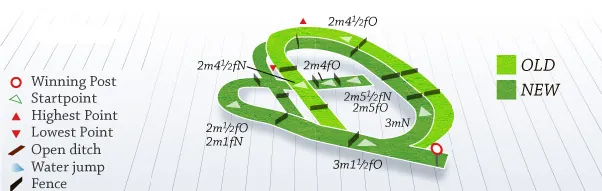
Cheltenham actually has two courses – the Old Course and the New Course. They are almost intertwined with each other although the New Course has a longer run in than the Old Course. A quirk with the New Course means that most of the fences are jumped early in the race, with only two fences situated in the final 7 furlongs.
There are 9 fences on the Old Racecourse which is the faster of the two, and 10 fences on the New Course. Of these New Course fences, 7 of them are plain fences, two of them are open ditches and the 2nd fence is a water jump.
In terms of distance, both courses are very similar, the Old course is 1 mile and 4 furlongs long whilst the New Course is only half a furlong longer. Both tracks are left-handed.
Bullet Points
- Two left hand courses
- Old course is half a furlong shorter than the New Course at 1 mile and 4 furlongs
- 9 fences on the Old Course, 10 on the New Course
- New Course has a water jump at the second fence
- Since 2022 the jockey Paul Townend has won the most races at the Cheltenham Festival with 20 wins.
Course Map